
CHAPTER 4: PRACTICAL MINDFULNESS TOOLS & TECHNIQUES
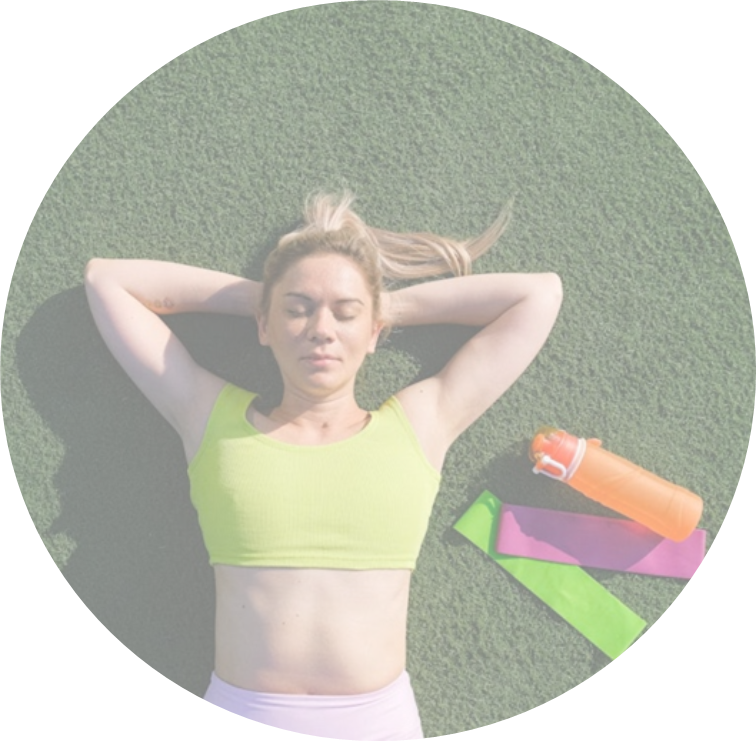
Reflection is just as important as preparation. The way you end your activity shapes how you carry the experience with you. Whether the day brought success or struggle, the moments after performance offer something valuable, that’s a chance to pause, to breathe and to understand.
After you have given your full effort, your mind and body need space to recover. But recovery is not just physical. It is also mental and emotional. Taking a few moments to reflect with mindfulness helps you release what is no longer useful and hold on to what truly matters.
Mindfulness after activity means paying attention to how you feel, without rushing to judge. You look at your experience with openness. You notice what felt right, what challenged you and what you can learn. Instead of replaying mistakes over and over, you create space for growth. Instead of getting stuck in overthinking, you give yourself permission to move forward.
Tool 6: Post-activity reflection
Purpose: To process your experience with balance, without getting stuck on mistakes.
Duration: 5 minutes
How:
- Take a few breaths to settle down.
- Answer these three questions in your journal:
- What went well today?
- What did I learn?
- What can I try differently next time?
- Leave the reflection there, don’t overanalyze.
To close the exercise, take one more deep breath and summarize your reflection in a single positive sentence (example: “I learned something new today” or “I am growing step by step”). This helps you carry forward a balanced mindset instead of staying stuck on details.
Tool 7: Body scan for recovery
Purpose: To release physical and mental tension after each activity/performance.
Duration: 5-7 minutes
How:
- Lie down or sit comfortably.
- Close your eyes and slowly scan your body from head to toe.
- Notice areas of tension and gently relax them as you exhale.
- After finishing, write down one body area where you felt the most tension and one area that felt relaxed. This helps you notice patterns and track how your recovery changes over time.
Tool 8: Unrolling the ears
Purpose: To boost energy flow and relax the nervous system
Duration: 5 minutes
How:
- Use your fingers to gently unroll and stretch each ear
- Start at the top, move down slowly, pulling slightly outward
- Repeat 2-3 times on each side
- Afterwards, pause for a moment and notice: do you feel more alert, more relaxed, or both? Write down one word that describes your state.
You can use this before warm-up to awaken your system or after a long day to release pressure in the head and jaw.
By the end of this chapter, you will:
- Have a set of simple tools for pre-, during- and post-activity/performance mindfulness.
- Know how to calm your mind, focus your attention and recover with balance.
- Be ready to integrate mindfulness into your activity routine naturally.