
MODULE 1: INTRODUCTION TO NON-FORMAL EDUCATION IN SPORT

Objective: Understanding NFE methods and the role of the mindfulness-oriented trainer.
Sports has always been more than just physical effort. It’s a space where values are shaped, confidence is built, and relationships are formed. But traditional training often focuses only on performance, technique, and results. That leaves little room for the emotional and social sides of growing up things like self-expression, teamwork and mental well-being. That’s where non-formal education (NFE) comes in.
Non-formal education is structured, but it’s flexible. It doesn’t rely on rigid rules or grading systems. Instead, it encourages learning through doing, through reflection and through experience. In the context of sports, this means using games, group discussions, role-play, storytelling, and other interactive tools to help young athletes not just become better at their sport, but also grow as people.
We don’t expect every trainer to become a therapist. But we do believe that, with the right tools, every trainer can become more aware, more supportive, and more equipped to help young athletes build not just strength and skill, but confidence, balance and emotional resilience.
1.1 NFE AND SPORT-A POWERFUL MATCH
Non-formal education and sports might seem like two different worlds, but they fit together naturally. Both involve teamwork, communication, feedback, goals, and growth. When used together, they can unlock something powerful: a training space that’s not only about improving performance but also about building trust, developing emotional intelligence, and creating a sense of belonging.
Imagine a training session where players learn how to calm their nerves before a match using a simple breathing technique. Or where a short discussion after practice gives space to talk about failure, motivation, or friendships. These are small changes that can make a big difference especially for young people going through sensitive phases of development.
1.2 THE ROLE OF THE MINDFULNESS ORIENTED TRAINER
At the heart of this approach is the trainer. But not just any trainer a mindfulness-oriented trainer. That means someone who:
- Pays attention not only to physical progress, but to emotional signals
- Uses positive communication instead of shouting or blaming
- Knows how to create space for reflection and emotional safety
- Can introduce simple mindfulness tools into daily practice (like short breathing, visualization, or check-ins)
- Leads by example with presence, patience and openness
You don’t need to be a psychologist or meditation teacher to do this. You just need curiosity, empathy, and a willingness to learn. The rest can be built step by step, and that’s exactly what this manual is here to support.
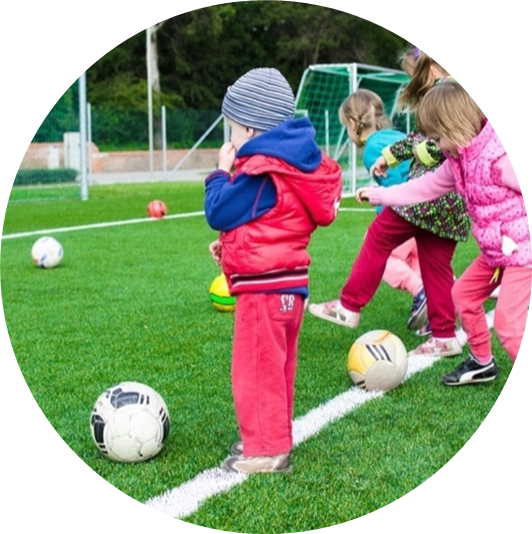
The role of the Mindfulness oriented trainer
At the heart of this approach stands the trainer not just as a trainer of physical skills, but as a guide for emotional and mental well-being. A mindfulness-oriented trainer is someone who sees the athlete as a whole person, not just as a performer. This kind of trainer creates a space where young people feel supported, seen and heard.
So, what does this look like in practice?
A mindfulness-oriented trainer:
- Pays attention not only to physical progress, but to emotional signals
They notice when a young person seems withdrawn, tense, or overwhelmed. They ask questions, check in, and show that they care beyond performance. - Uses positive communication instead of shouting or blaming, they give clear, respectful feedback. They encourage effort and learning from mistakes, not just winning or “being the best.”
- Creates emotional safety on and off the field. This means building trust and allowing space for reflection even in short moments, like asking “How are you feeling today?” or pausing after a tough drill to regroup.
- Brings simple mindfulness tools into daily routines. They don’t run meditation sessions, but they might guide a team through one minute of calm breathing before a game, or use visualization to help players manage nerves. It’s about small, consistent practices that build focus and emotional balance over time.
- Leads by example – They practice presence, patience, and openness. They show that it’s okay not to have all the answers, but it’s powerful to be calm, consistent and curious.
What skills and knowledge are needed?
You don’t need to be a psychologist or meditation expert. But there are a few key qualities and abilities that help make this approach work:
- Basic understanding of emotional development in youth – Knowing what’s typical in terms of stress, motivation, and peer pressure for different age groups helps trainers respond with care and confidence.
- Active listening and empathetic communication– Being able to listen without judgment, reflect back what’s heard, and speak clearly and kindly especially when giving critical feedback makes a huge difference.
- Self-awareness – A trainer who can notice their own emotions, stress, or reactions is more likely to model the same for young athletes.
- Open mindset and willingness to try new methods – You don’t need to know everything from the start. What matters is being open to learning and adapting, trying one new activity, one new way of talking, one moment of breathing and seeing what happens.
- Commitment to inclusion and equity.
A mindfulness-oriented trainer sees the team as a space where every young person regardless of background, ability, or personality has a place and feels respected.
This manual is here to walk you through the rest. You’ll find practical examples, ready-to-use tools, and real stories from other trainers and athletes who are already applying this approach. Step by step, it will help you build a trainer’s style that is strong, supportive, and deeply human.
Because in the end, trainers aren’t just about results-it’s about relationships. And those relationships can change lives!