

WELCOME NOTE
Sport plays an important role in the healthy development of children and young people physically, mentally and socially. But the pressure to perform, whether it comes from trainers, parents, peers or personal ambitions, can easily overwhelm young athletes. Stress, anxiety, low self-esteem and emotional burnout are becoming more common, and they often go unnoticed. That’s why we created the MindPlay project to support a more balanced, inclusive and mindful approach to sport.
About MindPlay project
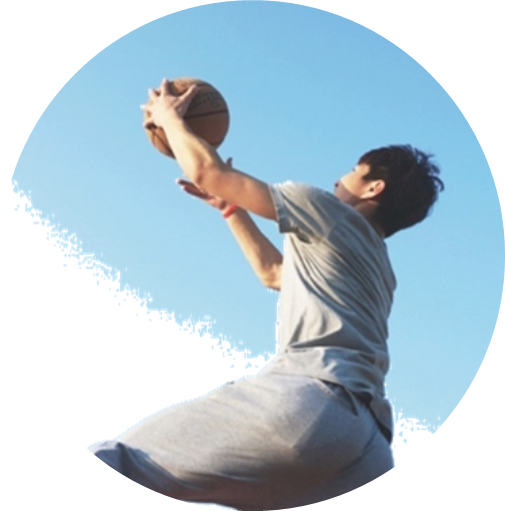
So, we decided to act. This manual is our response. It’s not about big theories or idealistic goals, but it’s about practical ideas that come from real needs. And it starts here, with NFE.
Before writing this manual, we listened. In three different focus groups in North Macedonia, Serbia and online. We spoke with 22 participants, including young athletes, trainers, parents, youth workers and representatives of sports clubs and public institutions, about their real experiences – what works in sports settings and what’s missing. The conversations were honest, sometimes emotional and incredibly helpful.
Across all countries, the same things came up: young people need more emotional support, more space to be themselves, and more chances to speak up. Trainers told us they often feel unprepared to deal with psychological issues or create an emotionally safe environment. Parents shared concerns about pressure, burnout, and the lack of communication between clubs and families.
What we heard confirmed something we already suspected: young people involved in sports are often under pressure, and mental health support is either missing or not systematic. Many clubs still don’t have structured programs to help athletes manage stress or anxiety. At best, trainers offer occasional emotional support, but this often depends on their personal interest and capacity. As one participant put it, “We do what we can, but there’s no real framework or training for this.”

The MindPlay Training Manual is a practical tool for trainers and sports club staff. It’s designed to help young people take care of their mental well-being and improve their focus and performance by using simple mindfulness techniques during regular training. The Manual brings together sports, non-formal education and mindfulness practices to empower clubs to become more supportive and emotionally safe environments for young athletes.
We talked directly with young athletes, their parents and trainers to understand what’s really going on, what kind of pressure they face, how it affects them and what kind of support they actually need. Based on those conversations, we created tools and exercises that enable young people to become more emotionally resilient, better at handling stress and more present in the moment.
This manual guide trainers to notice the psychological challenges that often come with youth sports, like performance anxiety, fear of failure, or pressure to meet expectations. The mindfulness methods we suggest are practical and easy to use. They can be included in any training session, indoors or outdoors, and adapted to different age groups or types of sport. These techniques are not meant to replace training, but to support it making young athletes not only stronger, but more self-aware and mentally balanced.
The MindPlay project builds on partnerships among sports clubs and organizations from North Macedonia, Serbia and Belgium, and responds to European priorities of promoting mental health, inclusion and quality education in sport. By using this manual, clubs will be able to respond to the evolving needs of youth, develop meaningful and healthy activities, and engage young people more deeply, not only in sports, but in their own well-being.
The manual is divided into five modules, each focusing on a different aspect of using mindfulness in sports. It starts with the basics and gradually offers more hands-on tools and exercises that clubs can start using right away.
- Module 1 introduces the idea of using non-formal education in sports and looks at what it means to be a mindfulness-oriented trainer.
- Module 2 explores where stress and anxiety in young athletes come from, how they affect their performance and well-being, and how clubs can recognize and respond to them.
- Module 3 presents what mindfulness is and how it can be useful in sports. It shows how being present and focused can help both in training and in life.
- Module 4 offers practical mindfulness techniques tailored to the sport environment. You’ll find simple exercises to improve focus, performance, and emotional balance.
- Module 5 helps clubs bring mindfulness into their daily routines. It includes ideas and strategies for long-term use and team involvement.
This Manual is part of a wider effort to improve the sports culture across Europe. It fits into the goals of the EU Work Plan for Sport and supports broader strategies on youth well-being, inclusion, and health. With this curriculum, we hope to give trainers and youth workers tools to create a healthier, more mindful sports experience-one that helps young people grow, not just as athletes, but as confident and resilient individuals.We believe that with the right mindset and the right support, sport can do more than build champions, it can build strong, thoughtful people. This Manual is a step in that direction.